
Inside Grimoire Keeper: What It Does and Why I Built It
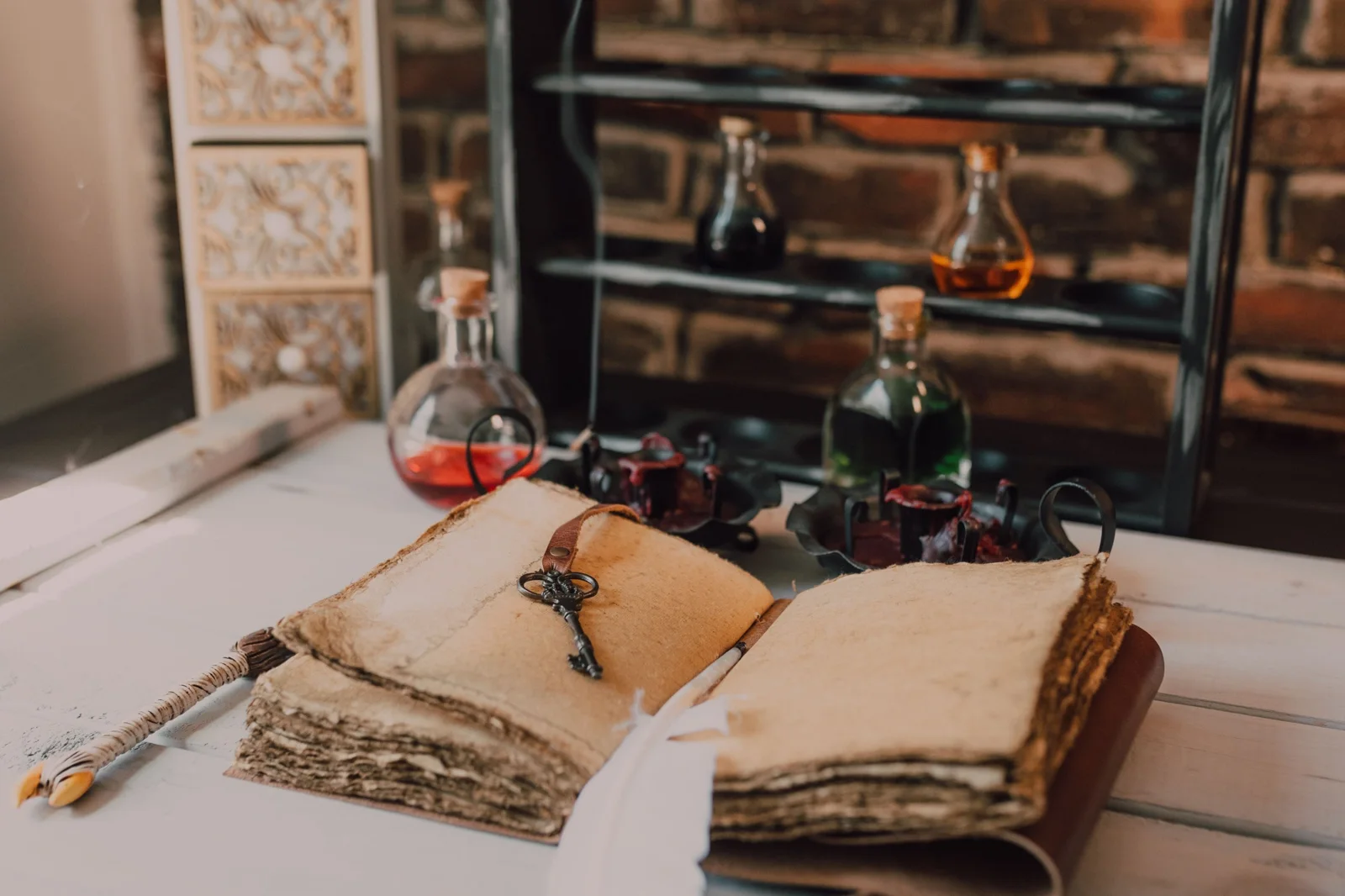
A lot of witches keep their practice in a bunch of places at once: a notebook for spells, an app for moon phases, browser tabs for herbs, maybe a spreadsheet for tarot. It works, but you’re always jumping between things that don’t talk to each other. I built Grimoire Keeper to put all of it in one place. Here’s a look at what’s inside.
The journal
At its heart, Grimoire Keeper is a private journal. When you log a spell, a dream or a tarot reading, it automatically saves the moon phase and planet positions with the entry. You don’t have to do anything extra.
Over time, that gets useful. The app looks across your entries and points out patterns. If your dreams tend to show up around certain moon phases, or your spellwork changes during certain transits, it’ll show you. It’s all based on your own entries, not general rules.
The Codex
The Codex is the reference library, and it’s what makes the app useful every day. It’s searchable and split into sections you’ll actually use:
- The natural world: plants and herbs, crystals and stones, waters and other materials, with uses, history and handling notes.
- Symbols and divination: runes, tarot, numerology, animals, deities and different divination methods.
- Cycles and time: moon phases, astrology, sacred seasons and holidays, all linked to the rest of the Codex.
- Practice: spells and rituals, meditations, chakras, elements, colors and energy work.
It’s meant to be both a library and a working tool, not just a glossary.
The Almanac and daily readings
Every day, the app shows what’s going on in the sky that’s relevant to your practice. You can pull a daily card, draw a rune and get an astrology reading, either general or based on your own chart. Your natal chart comes from your birth date, time and place, so the readings are about your actual placements, not just your sun sign.
The plant scanner
Point your phone at a plant you don’t recognize, and the app gives you its best guess at what it is, plus common uses, lore, toxicity info and foraging notes. If you forage, getting the ID right is a real safety issue, so treat the scanner as a starting point, not the final word, especially if you’re planning to eat or use anything. Each result links to the full entry in the Codex.
The crystal scanner
This works the same way. Take a photo of a crystal and you’ll get a likely ID, with hardness, uses, lore and handling notes. It’s handy for unlabeled stones, like a bag from an estate sale or a collection you inherited. Results link to the crystals section of the Codex.
Tarot, runes and dreams
You get help reading tarot spreads and rune draws, and it looks at how the cards relate to each other, not just one card at a time. Dream entries get the same moon and planet info as everything else, so they become part of the pattern-finding too. The more dreams you log, the more it has to work with.
If your practice is spread across notebooks, apps, tabs and spreadsheets, Grimoire Keeper gives you one place to bring it together. Take a look at Grimoire Keeper.
Want help putting this into practice? Book a free check-up.